Accumulator Betting Behaviors in Europe's Secondary Football Leagues
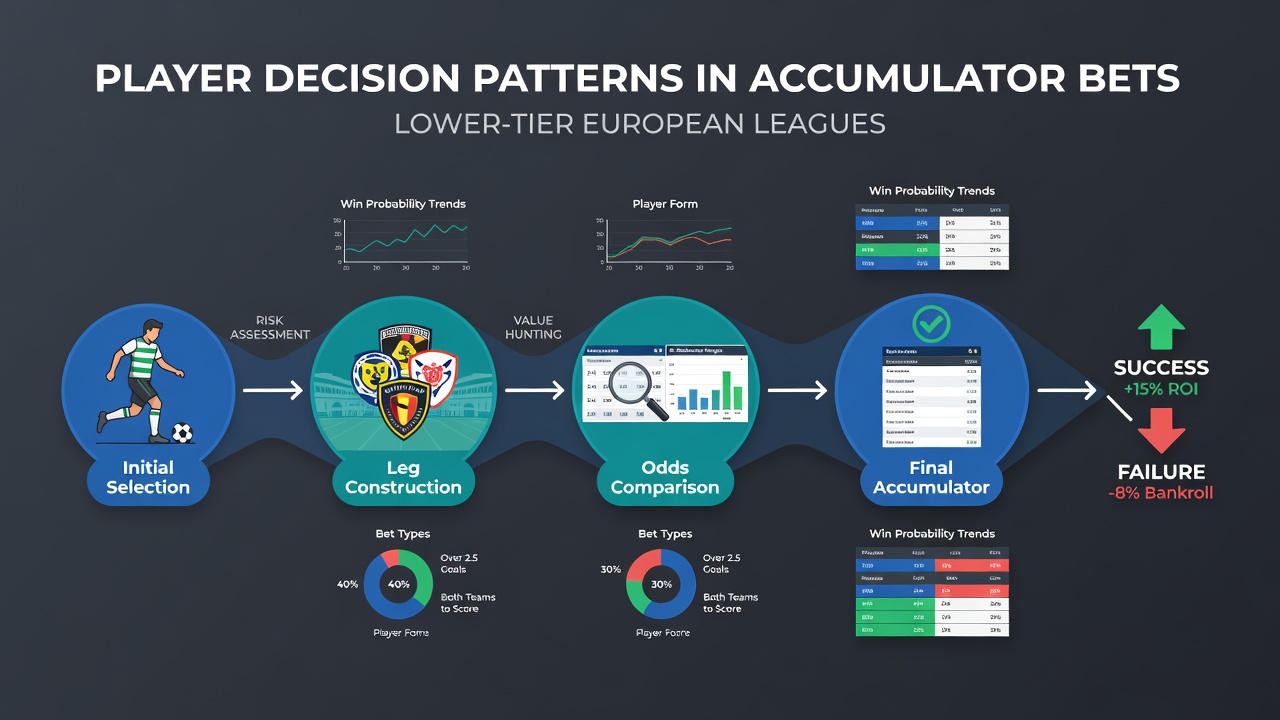
Accumulator bets in lower-tier European leagues such as the English Championship, Italian Serie B, and Spanish Segunda División draw consistent participation from bettors who combine multiple selections into single wagers, and data from industry reports shows these markets attract patterns tied to match frequency and team form cycles. Observers note that participants often favor combinations involving home favorites from mid-table sides while adding underdog draws from relegation battles, creating structures that reflect league-specific volatility rather than outright favorites alone.
Observed Selection Tendencies Across Leagues
Bettors in these divisions frequently pair high-scoring expectations from attacking teams with defensive stalemates, and records indicate a preference for three to five leg accumulators that include both win and over/under goals markets. Research from the University of Nevada, Las Vegas Center for Gaming Research highlights how participants adjust combinations based on recent head-to-head results, with many incorporating at least one selection from a promoted side expected to maintain momentum early in the season.
Patterns emerge around weekend fixtures where lower league schedules cluster multiple games, and bettors tend to chain outcomes from parallel matches rather than spreading selections across midweek rounds. Figures from the European Gaming and Betting Association reveal that accumulator volume spikes during periods of fixture congestion, when teams rotate squads and historical data on fatigue becomes a key reference point for choices.
Factors Shaping Accumulator Structures
Team motivation indicators such as playoff pushes or survival fights influence leg selection, while weather data and pitch conditions in northern European venues often lead bettors to favor lower goal totals in certain combinations. Those who study these markets find that selections cluster around statistically reliable home records in leagues like the Dutch Eerste Divisie, yet incorporate occasional away upsets from sides with strong counter-attacking profiles.
June 2026 brings the start of the European club season transition period, and preliminary schedules already show several lower-tier clubs preparing for international player returns that affect squad availability. Bettors reviewing early odds adjust accumulator legs accordingly, incorporating updated lineups from pre-season friendlies reported by domestic federations across multiple countries.

Statistical models used by betting platforms demonstrate that accumulator payouts correlate with accurate assessment of draw frequency in leagues where points gaps between mid-table and bottom clubs remain narrow throughout most campaigns. Participants who track these metrics often build legs around matches involving sides with similar expected goal values, reducing exposure to outlier results while maintaining multiplier potential.
League-Specific Decision Examples
In the Portuguese Segunda Liga, accumulators frequently feature selections from clubs with strong home defensive records against recently relegated sides, and one documented case from the 2025 season showed repeated inclusion of under 2.5 goals legs across four consecutive matchdays. Similar approaches appear in the Greek Super League 2, where bettors combine early-season form data with travel distance factors that historically suppress scoring rates for visiting teams.
Those reviewing betting volumes across platforms observe that accumulator participation in lower tiers remains steady during international breaks, as domestic leagues pause and focus shifts to player availability updates from national team call-ups. Data indicates participants incorporate these variables into longer accumulators spanning multiple rounds once league action resumes.
Market Adjustments and External Influences
Regulatory changes in several EU member states have prompted operators to refine accumulator offerings for lower league markets, and this shift coincides with increased availability of real-time statistics that inform leg construction. Bettors respond by integrating advanced metrics such as expected points added and set-piece conversion rates into their selections, particularly when combining games from the Belgian Challenger Pro League and Austrian 2. Liga.
Academic studies published in the Journal of Gambling Studies document how accumulator builders in secondary European divisions exhibit repeatable tendencies toward certain market types, including both teams to score in fixtures between evenly matched mid-table outfits. These patterns persist across seasons despite changes in promotion and relegation outcomes that alter team compositions each summer.
Conclusion
Accumulator decision patterns in lower-tier European leagues continue to evolve alongside improved data access and schedule awareness, with participants drawing from historical results, squad updates, and league dynamics to structure their wagers. Records from multiple seasons demonstrate consistent approaches that balance risk across selected legs while responding to external factors such as international calendars and domestic regulatory frameworks. These behaviors reflect the broader availability of detailed performance information that shapes how accumulators are constructed in these divisions.