Algorithmic Patterns Determining Progressive Jackpot Payout Rates Across Linked Casino Networks
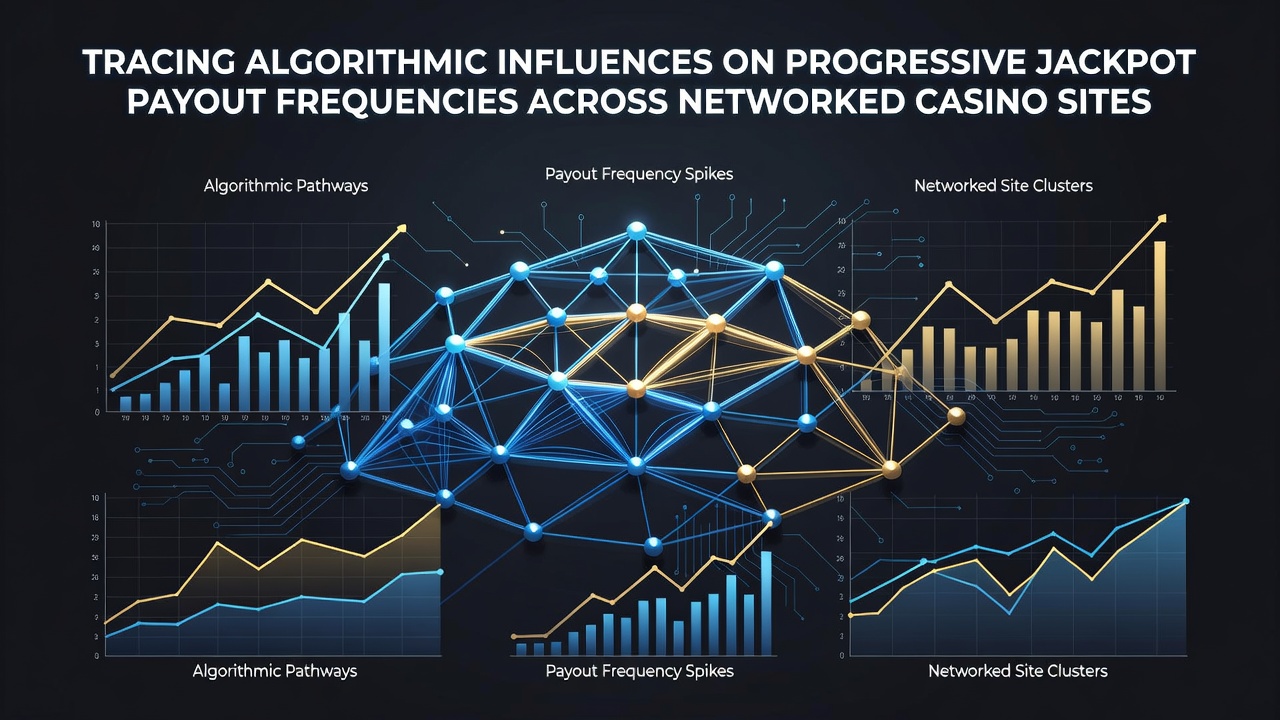
Networked casino platforms rely on shared progressive jackpot systems where contributions from players across multiple operators feed into common prize pools, and algorithms control the timing and frequency of payouts through predefined mathematical models. These systems operate under strict regulatory frameworks that vary by jurisdiction, with operators in regions such as Canada and Australia required to submit their random number generator protocols and contribution rate calculations for approval before deployment.
Central servers aggregate bet data in real time, applying formulas that factor in total contributions, minimum seed amounts, and probability curves to determine when a jackpot reaches its trigger threshold. Research from academic institutions shows that these calculations often incorporate weighted variables including player volume, game type, and historical payout intervals to maintain statistical fairness across the network. Operators must balance pool growth against payout frequency, since overly conservative algorithms can lead to stagnant jackpots while aggressive settings risk rapid depletion of funds.
Core Components of Progressive Jackpot Algorithms
Each progressive system contains several interlocking algorithmic layers that process incoming wagers and adjust the jackpot meter accordingly. The base contribution rate typically ranges from 0.5 to 2 percent of each qualifying bet, though networks connecting sites in different countries may apply regional adjustments to comply with local tax structures and licensing conditions. Trigger mechanisms then compare a generated random value against a decreasing threshold that narrows as the pool increases, creating the mathematical conditions for a win.
Network operators use synchronization protocols to ensure that every connected site reports activity without latency discrepancies, because even minor timing differences can affect which player receives credit for a winning spin. Data from industry reports indicate that these protocols also log every transaction for audit purposes, allowing regulators to verify that payout frequencies align with approved parameters.
Regional Variations in Algorithm Deployment
Canadian regulators through iGaming Ontario require detailed documentation of how algorithms distribute jackpot contributions across provincial networks, including stress tests that simulate high-volume periods. Similar requirements exist in Australian jurisdictions where state gaming authorities review the impact of cross-site pooling on player return percentages. These reviews often examine whether certain game categories receive preferential treatment in payout scheduling compared with others.
European operators connected through shared platforms follow guidelines from bodies such as the European Gaming and Betting Association, which publishes standards for transparency in jackpot management. One study revealed that networks spanning multiple European countries adjust their algorithms seasonally to account for fluctuations in player participation patterns during major sporting events.

Technical Factors Affecting Payout Frequency
Seed amounts set by network administrators establish the starting point for each jackpot cycle, while increment rates determine how quickly the pool grows with each bet. Algorithms also incorporate safeguards that prevent premature triggers during low-activity periods, a feature that becomes especially relevant when networks span time zones with varying peak hours. Observers note that these safeguards rely on predictive modeling to forecast contribution inflows based on historical data from similar periods.
Updates implemented in July 2026 by several major networks introduced refined weighting systems that prioritize contributions from higher-stakes games when calculating payout probabilities. This shift aimed to stabilize pool levels after earlier periods showed uneven distribution across game categories. Technical audits confirmed that the revised algorithms maintained the required randomness standards while altering average payout intervals by measurable margins.
Data Tracking and Compliance Monitoring
Independent testing laboratories evaluate the algorithms before and after deployment, measuring actual payout frequencies against theoretical models. Reports from these labs provide regulators with metrics such as mean time between payouts and variance in jackpot sizes at the moment of triggering. Network operators must retain detailed logs that allow reconstruction of any jackpot event for verification purposes.
Cross-border networks face additional scrutiny because differing tax treatments and licensing conditions can influence how contribution percentages are allocated. Compliance teams track these variables continuously to ensure no single jurisdiction receives disproportionate advantages in payout distribution.
Conclusion
Algorithmic management of progressive jackpots across networked casino sites depends on precise mathematical models that integrate contribution rates, trigger thresholds, and real-time synchronization protocols. Regulatory oversight from multiple regions ensures these systems operate within approved parameters, while technical updates such as those recorded in July 2026 continue to refine payout frequency calculations. Industry data and laboratory reports demonstrate that ongoing monitoring remains essential for maintaining consistent performance across connected platforms.