Cross-Border Regulatory Synchronization and Its Influence on Worldwide Betting Exchange Platforms
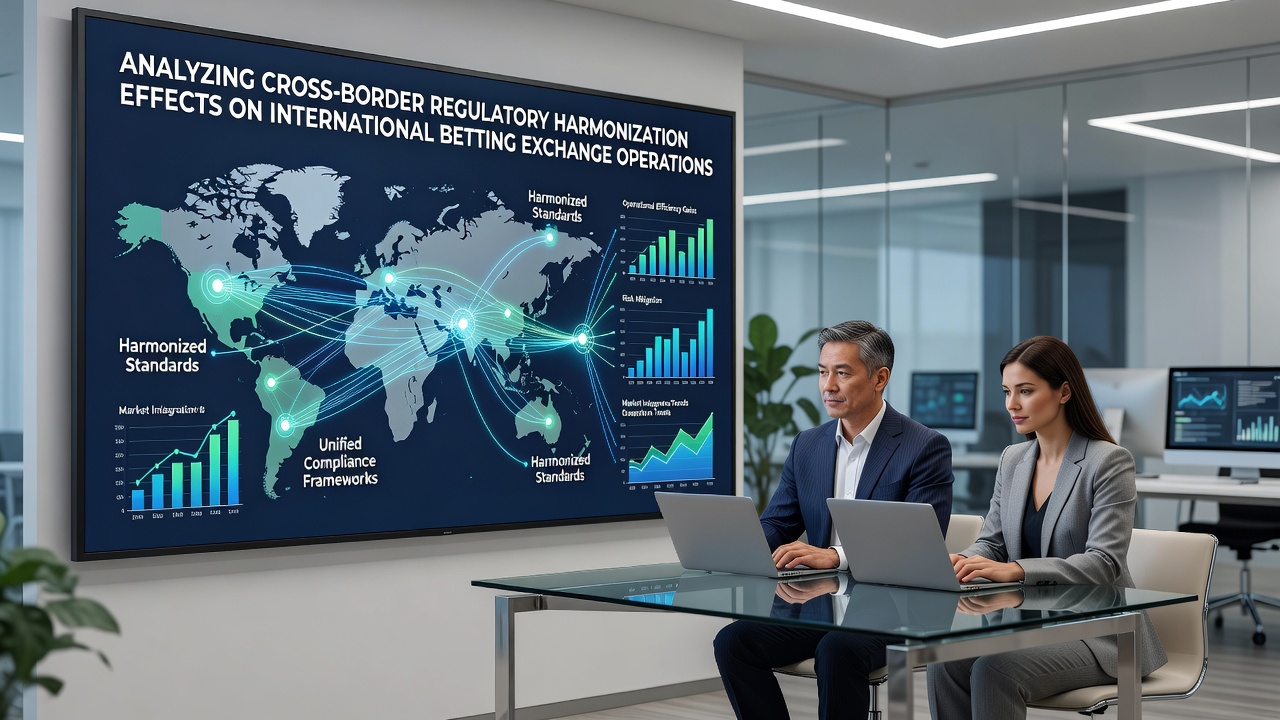
Regulatory harmonization across jurisdictions has produced measurable adjustments in how international betting exchanges manage licensing, liquidity pools, and user access protocols, according to industry analyses from multiple regions. Operators now navigate aligned standards on data protection, anti-money laundering checks, and taxation reporting that reduce some duplication while introducing new layers of coordinated oversight. These shifts appear in operational metrics tracked by trade groups and government agencies as exchanges expand or contract services based on compliance compatibility.
Core Elements of Harmonization Affecting Exchanges
Harmonization efforts typically consolidate rules on player verification, transaction monitoring, and market access criteria so that platforms operating in several countries follow consistent frameworks rather than fragmented national requirements. Data from the European Gaming and Betting Association shows that aligned directives on consumer protection have streamlined certain reporting processes for multi-jurisdictional operators since the mid-2020s. Exchanges respond by updating software systems to handle unified audit trails, which in turn affects server architecture and real-time risk assessment tools used during live betting sessions.
Researchers at academic institutions studying digital markets note that these alignments often coincide with adjustments in fee structures and commission models because operators must account for synchronized tax obligations across borders. Liquidity in popular markets such as horse racing and major sports events can fluctuate when new participants from harmonized regions enter or exit pools due to updated eligibility rules. Observers point to examples where exchanges adjusted minimum bet thresholds and withdrawal limits to maintain balance under the revised compliance environment.
Operational Adjustments in Practice
Betting exchanges have modified their account management systems to incorporate shared databases for sanctions screening and responsible gambling flags, a development that became more widespread following agreements between regulatory bodies in Europe, Australia, and parts of North America. These changes reduce redundant identity checks for users who move between jurisdictions yet require exchanges to invest in secure data-sharing infrastructure. Figures released by the Australian Communications and Media Authority indicate that participation rates in cross-border exchange activities remained steady through early 2026 even as operators recalibrated their geographic focus areas.
Staff training programs at major platforms now emphasize procedures that satisfy multiple aligned regulatory regimes simultaneously, covering topics such as automated transaction flagging and dispute resolution mechanisms. One study from a Canadian research center highlighted how exchanges incorporated these protocols into their matching engines, resulting in slight modifications to order book visibility for certain bet types. Such technical adaptations demonstrate how harmonization translates into day-to-day platform functionality without altering the fundamental peer-to-peer betting model.
Regional Developments Observed by Mid-2026
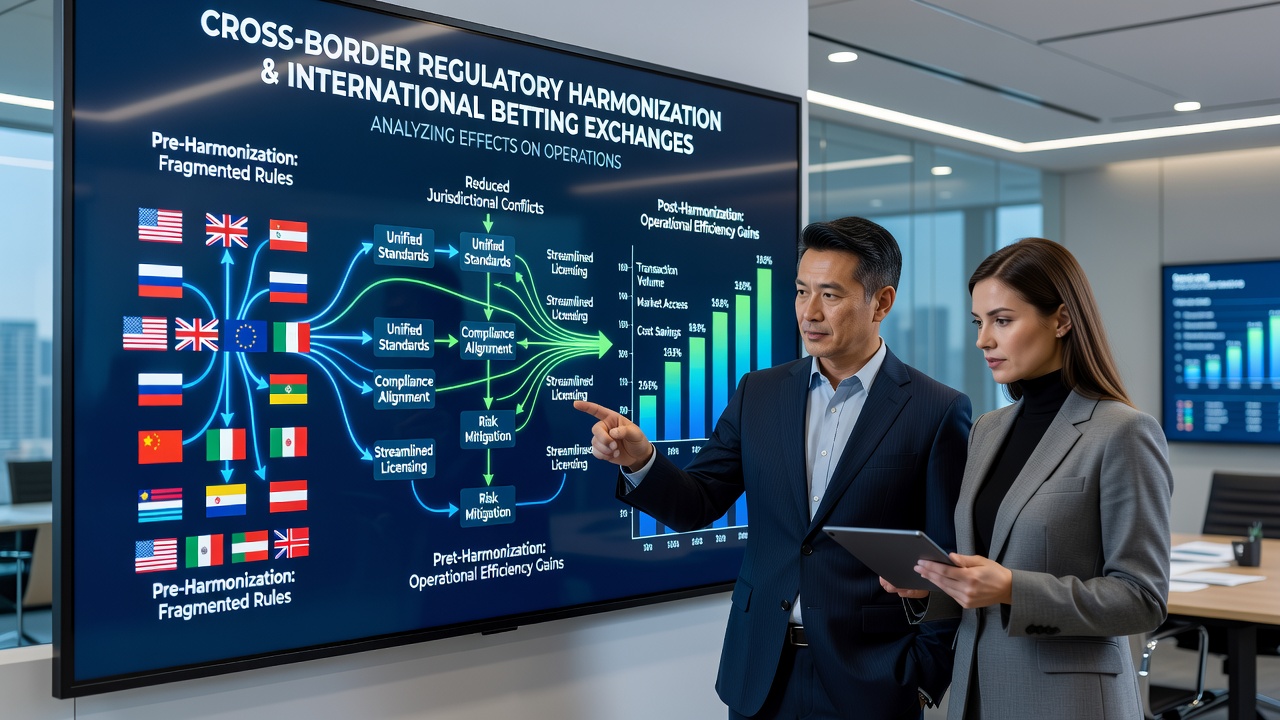
By July 2026, several exchanges reported updates to their service availability maps following the implementation of new alignment packages in select Asian and Latin American markets. These updates often involved expanded or restricted access for users in countries that adopted common standards on payout timelines and bonus transparency. Industry reports document corresponding shifts in average session durations and market depth as operators fine-tuned algorithms to reflect the new regulatory parameters.
Analysts tracking these trends reference statistics from the Organisation for Economic Co-operation and Development that track cross-border financial flows in gaming sectors. The data reveals patterns where harmonized rules correlate with steadier capital movement between exchanges and their banking partners, although individual platform volumes continue to vary based on local sports calendars and event popularity. Exchanges have responded by diversifying their offerings in less traditional markets such as e-sports and political prediction events to maintain overall activity levels.
Compliance Costs and Technology Integration
Implementation of harmonized standards requires ongoing investment in compliance technology, including blockchain-based audit logs and AI-driven monitoring tools that satisfy requirements from multiple authorities at once. Trade publications note that some operators formed consortiums to share development costs for these systems, leading to standardized interfaces that improve interoperability between platforms. Such collaborations appear in records from international gaming conferences held in 2025 and 2026.
Those who have examined the financial statements of listed exchange operators observe that line items for regulatory technology rose during this period while certain legal and licensing expenses declined in harmonized zones. The net effect on margins depends on scale, with larger platforms absorbing integration expenses more readily than smaller competitors. Researchers continue to collect longitudinal data on these cost dynamics to assess long-term sustainability of current alignment approaches.
Conclusion
Cross-border regulatory harmonization continues to reshape operational parameters for international betting exchanges through unified compliance requirements, technology upgrades, and adjusted market access rules. Available data from regulatory bodies and industry organizations indicate ongoing adaptation in areas such as liquidity management, user verification, and reporting protocols. Future developments will likely depend on the pace of further alignment initiatives and their interaction with emerging technologies in the sector.