Cross-Platform Loyalty: Decoding Benefits in Multi-Casino Reward Systems
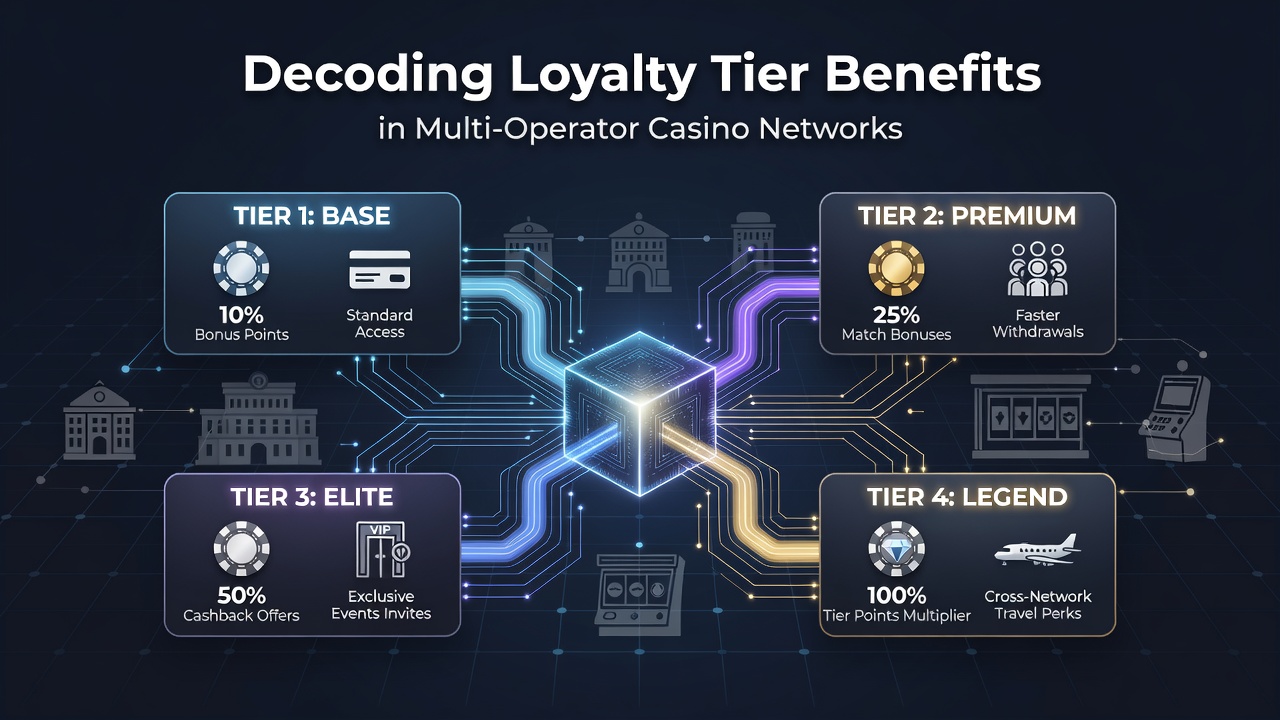
Multi-operator casino networks allow players to accumulate points and advance through tiers by participating at several properties that share a common rewards platform, and this structure has expanded significantly in markets such as Nevada and New Jersey since the early 2020s. Data from the Nevada Gaming Control Board shows that integrated programs now cover more than sixty properties statewide, enabling members to earn tier credits through slot play, table games, and hotel stays at any participating venue.
Operators within these networks typically maintain four to seven distinct tiers, beginning with an entry-level status that grants basic point earning rates and progressing to elite levels that unlock complimentary rooms, dining credits, and event access. Points earned at one location transfer automatically across the network because the central database tracks activity in real time, and tier qualification periods usually run on a calendar year or rolling twelve-month basis.
How Points and Credits Accumulate Across Properties
Each casino in the network assigns tier credits based on theoretical win or actual coin-in, and these credits determine whether a member advances from silver to gold or platinum status by the end of the qualification window. A player who reaches 50,000 tier credits at a Las Vegas Strip property can use the same balance to qualify for benefits at an affiliated venue in Atlantic City without starting over, while cashback percentages and free-play offers scale according to the highest tier achieved during the period.
Networks also differentiate between tier credits, which control status, and reward points, which convert directly into redeemable value such as slot play or merchandise. This separation means a member can maintain elite status while directing reward points toward specific redemptions at whichever property offers the most favorable exchange rate on a given day.
Tier Structures and Corresponding Perks
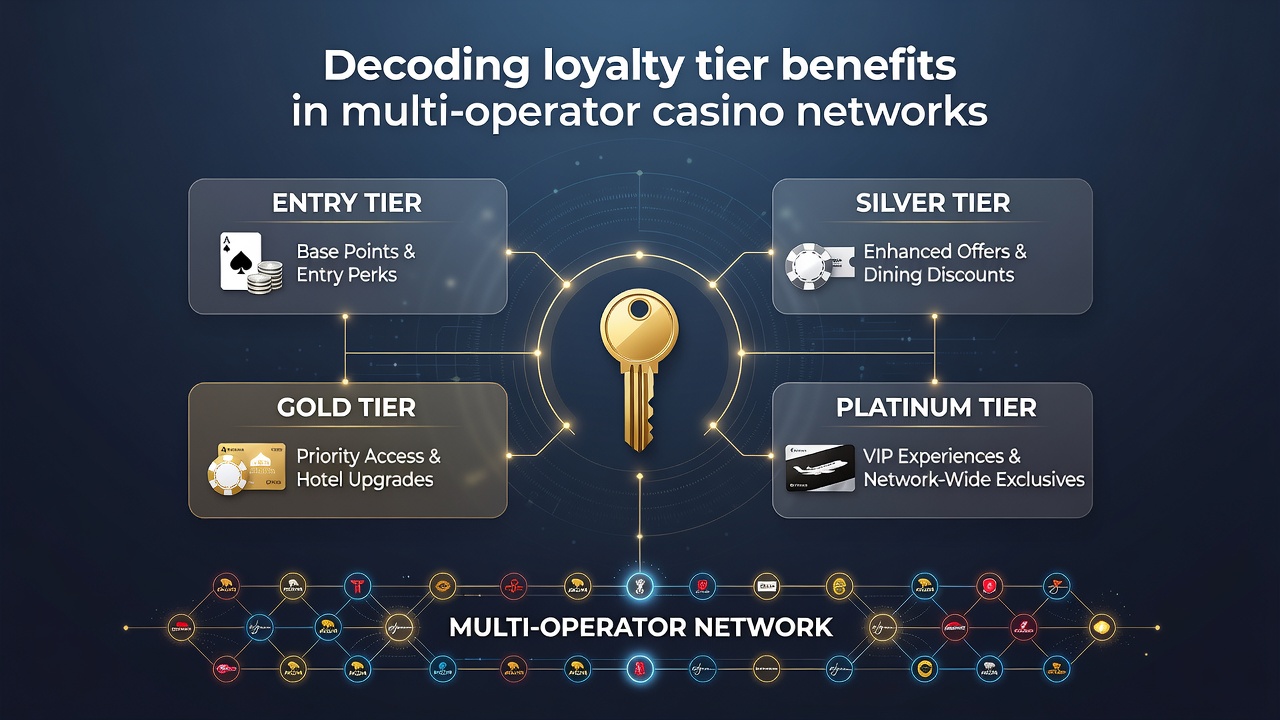
Entry tiers often provide accelerated point earning on weekdays and access to members-only promotions, whereas mid-level tiers add priority reservations and discounted resort fees. Higher tiers incorporate airline fee reimbursements, exclusive lounge access, and invitations to tournaments that award additional credits, and the top tier frequently includes dedicated hosts who arrange personalized experiences across all network locations.
Observers note that some programs now incorporate dynamic pricing for tier benefits, adjusting room comp values based on demand forecasts so that a platinum member receives a higher nightly allowance during slow periods and a lower allowance during peak events. This approach keeps the overall cost of the program aligned with revenue projections while preserving the perceived value of elite status.
Regional Variations in Network Design
European operators that participate in multi-brand alliances have introduced separate qualification tracks for online and land-based play, allowing members to combine activity from both channels toward the same tier. Reports published by the Australian Gambling Research Centre indicate that similar hybrid models in New South Wales and Victoria produced a 14 percent increase in cross-property redemptions during the 2025 fiscal year compared with prior periods.
North American networks continue to emphasize hotel and entertainment perks because destination properties generate the majority of revenue, while regional operators place greater weight on free-play and dining credits that encourage repeat visits closer to home. Both approaches rely on the same underlying database architecture, yet the mix of benefits reflects local market conditions and regulatory requirements.
Technology Supporting Seamless Tracking
Centralized player-tracking systems update balances within seconds after each gaming session, and mobile applications display current tier status along with pending qualification progress. Some networks have added biometric verification at kiosks so members can access offers without presenting physical cards, and this convenience has contributed to higher redemption rates according to operational summaries released in July 2026.
Integration with third-party booking platforms now lets members apply tier discounts to partner hotels outside the casino network, extending the reach of elite benefits while generating additional data on travel patterns that operators use to refine future promotions.
Conclusion
Multi-operator loyalty programs function through shared databases that convert activity at any participating property into tier credits and reward points, and the resulting structure gives members access to scaled benefits without resetting progress when they move between locations. Qualification mechanics, perk categories, and technological features differ by region yet follow the same core principle of consolidating activity across operators to increase retention. As networks continue to expand in 2026, the range of tracked activities and redemption options is expected to broaden further while remaining anchored in the same tier-and-points framework.