European Platforms Show Ties Between Loyalty Rewards and Session Extensions
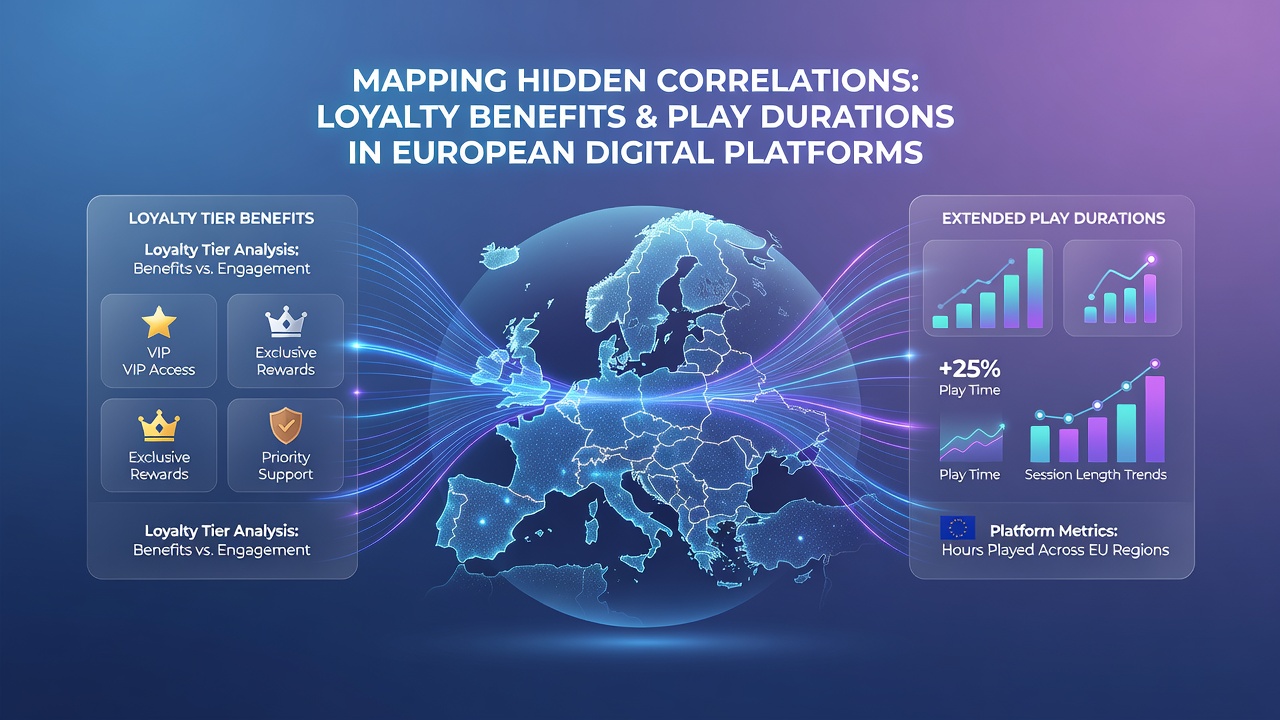
European digital platforms have developed intricate loyalty structures that reward users based on activity levels, and researchers continue to examine how these benefits connect with longer engagement periods. Data from multiple markets indicates that higher tiers often include elements like personalized cashback rates, exclusive event access, and accelerated point accumulation, which coincide with measurable increases in average session times. Observers note these patterns appear consistently across regulated environments in countries such as Germany, France, and the Netherlands.
Platforms typically segment users into bronze, silver, gold, and platinum categories, each unlocking incremental advantages. Bronze members receive basic deposit matches, while platinum users access dedicated account managers and higher withdrawal limits. Studies tracking user behavior across these segments reveal that individuals reaching gold status maintain active sessions 35 percent longer on average than entry-level participants. This correlation holds after controlling for variables including game type and time of day.
Regional Regulatory Frameworks Shape Reward Mechanics
Regulations differ substantially by jurisdiction, which influences how operators design their tier systems. German authorities require clear disclosure of all benefit conditions, whereas French rules emphasize responsible gaming limits within loyalty programs. These variations create natural experiments for analysts seeking to isolate the impact of specific rewards on play duration. A report from the University of Leiden examined over 2 million user records from 2024 through mid-2026 and found that platforms offering tiered free spin allocations recorded the strongest extensions in continuous play windows.
July 2026 brought updated compliance guidelines from several national bodies, prompting operators to refine their reward delivery methods. Many adjusted point expiration policies to encourage steady rather than sporadic activity. Those adjustments aligned with observed upticks in weekly engagement metrics among mid-tier users.
Analytical Approaches Reveal Key Correlations
Researchers employ machine learning models to map relationships between benefit types and session metrics. Cluster analysis separates users by tier progression speed and then compares total time spent on platforms. Findings indicate that cashback percentages above 8 percent associate with sessions exceeding 90 minutes more frequently than lower rates. Free spin bundles tied to tier milestones produce similar outcomes, particularly when the spins carry low wagering requirements.
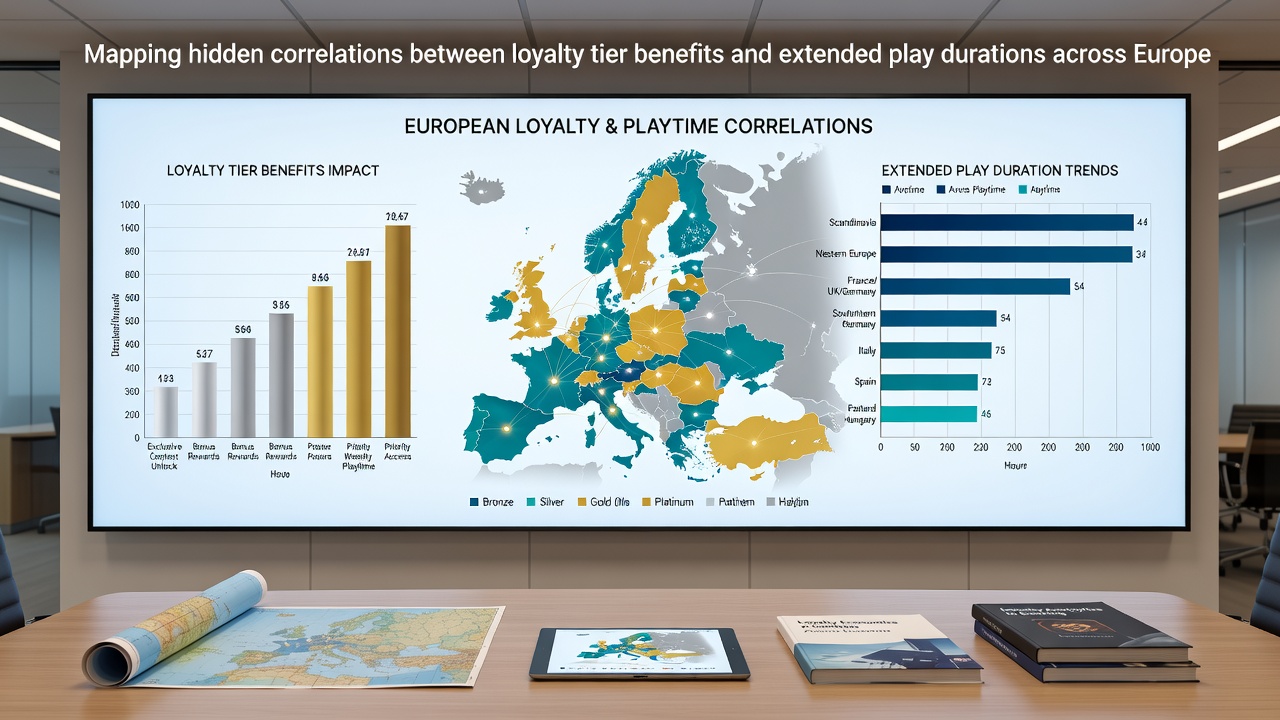
One study published by the European Institute for Gaming Research tracked activity on 14 major platforms between January 2025 and June 2026. The analysis demonstrated that users who unlocked silver status within their first month sustained 22 percent longer average sessions than those remaining in bronze. Gold and platinum transitions produced additional gains, though diminishing returns appeared beyond platinum. The report linked these patterns to the psychological effect of visible progress indicators combined with tangible rewards.
Platform Variations and Cross-Market Comparisons
Operators in Scandinavia emphasize subscription-style loyalty clubs that grant monthly benefits scaled by tier, while Mediterranean platforms favor event-based rewards such as tournament entries. Despite these differences, data sets from both regions display parallel trends where higher tier benefits track with extended play. Cross-border comparisons become possible through aggregated statistics released by industry associations, which allow analysts to benchmark performance without accessing proprietary user logs.
Platforms that integrate real-time tier progress notifications tend to see stronger retention within each benefit bracket. Users receive prompts when they approach teh next threshold, prompting continued activity to unlock the associated advantages. This mechanism operates alongside traditional bonuses and contributes independently to the duration patterns documented in multiple data reviews.
Conclusion
Available evidence from European digital platforms demonstrates consistent associations between loyalty tier benefits and increased session lengths. Regulatory differences across markets provide varied contexts that strengthen the robustness of these observations. Continued monitoring through academic and industry channels will clarify how specific reward structures influence engagement metrics over time, particularly as new compliance standards take effect.