Exploring Tier-Based Rewards in Global Esports Betting Platforms
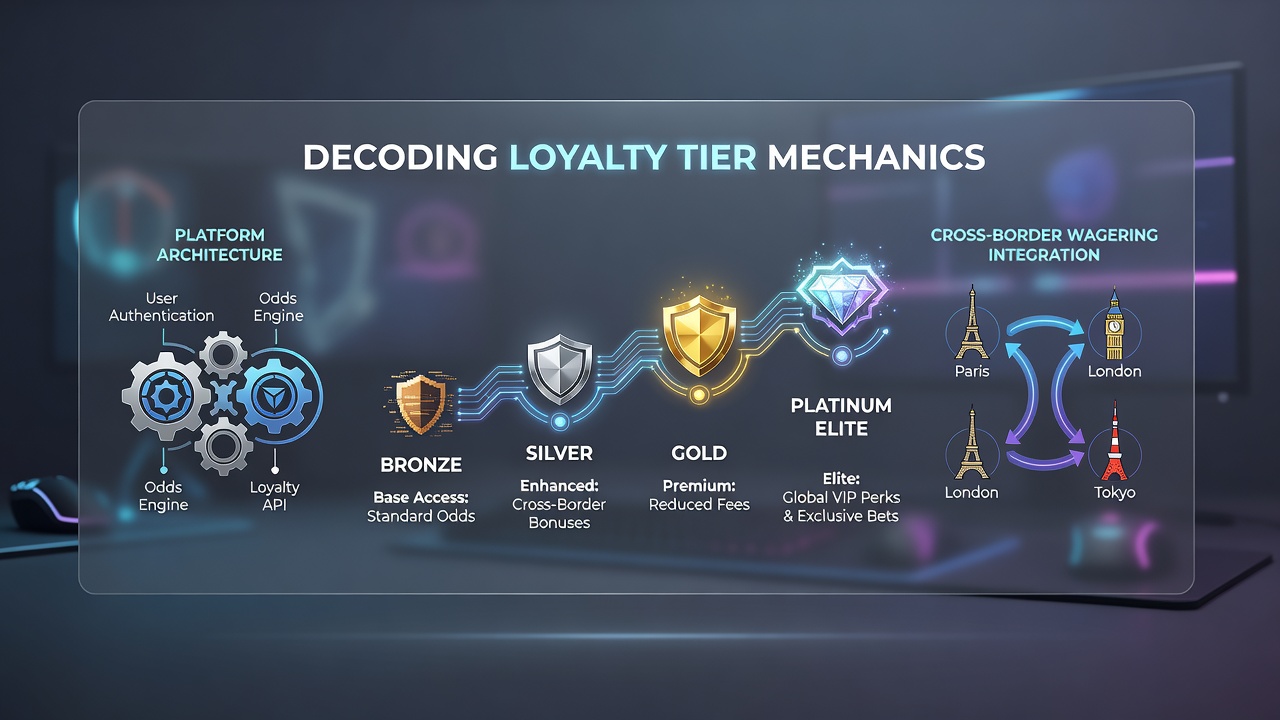
Cross-border esports wagering platforms operate loyalty tier systems that track user activity across multiple jurisdictions and convert wagers into points that unlock escalating benefits. These mechanics rely on standardized algorithms that calculate eligibility based on deposit volume, bet frequency, and retention metrics while adjusting for currency fluctuations and regional regulations. Data from industry reports shows platforms maintain separate point ledgers for each tier, with automatic upgrades triggered once thresholds are met during monthly review cycles.
Core Components of Tier Progression
Most platforms segment users into four or five tiers that begin with entry-level access and advance to premium status. Points accrue at rates tied to wager size, often awarding one point per dollar or equivalent staked, though multipliers apply during promotional windows or for specific esports titles. Observers note that cross-border accounts require verification layers that confirm identity in each operating region, which prevents point farming through multiple profiles and ensures compliance with local licensing rules.
Progression resets occur annually in many systems, yet accumulated benefits such as cashback percentages carry forward for a defined period. Research indicates that platforms integrate real-time dashboards displaying current tier status, next-level requirements, and projected rewards based on recent activity patterns. Those who monitor these interfaces adjust betting schedules to maximize point multipliers available on major tournaments like League of Legends World Championship events.
Cross-Border Adjustments and Compliance
Operators handling users from different countries embed geo-specific modifiers into their loyalty engines. These modifiers account for tax obligations, payment processor fees, and currency conversion spreads that affect net point values. Figures from regulatory filings in multiple jurisdictions reveal that platforms must segment loyalty data by user location to satisfy reporting mandates from bodies such as the Malta Gaming Authority and the Australian Communications and Media Authority.
Payment rails also influence tier mechanics because deposit methods carry distinct processing speeds and verification standards. Faster methods like e-wallets accelerate point posting, whereas bank transfers introduce delays that shift users across monthly calculation boundaries. Platforms publish detailed terms that list eligible transaction types and exclude certain bonus-funded wagers from point totals, maintaining transparency required by licensing agreements.
Benefit Structures Across Tiers
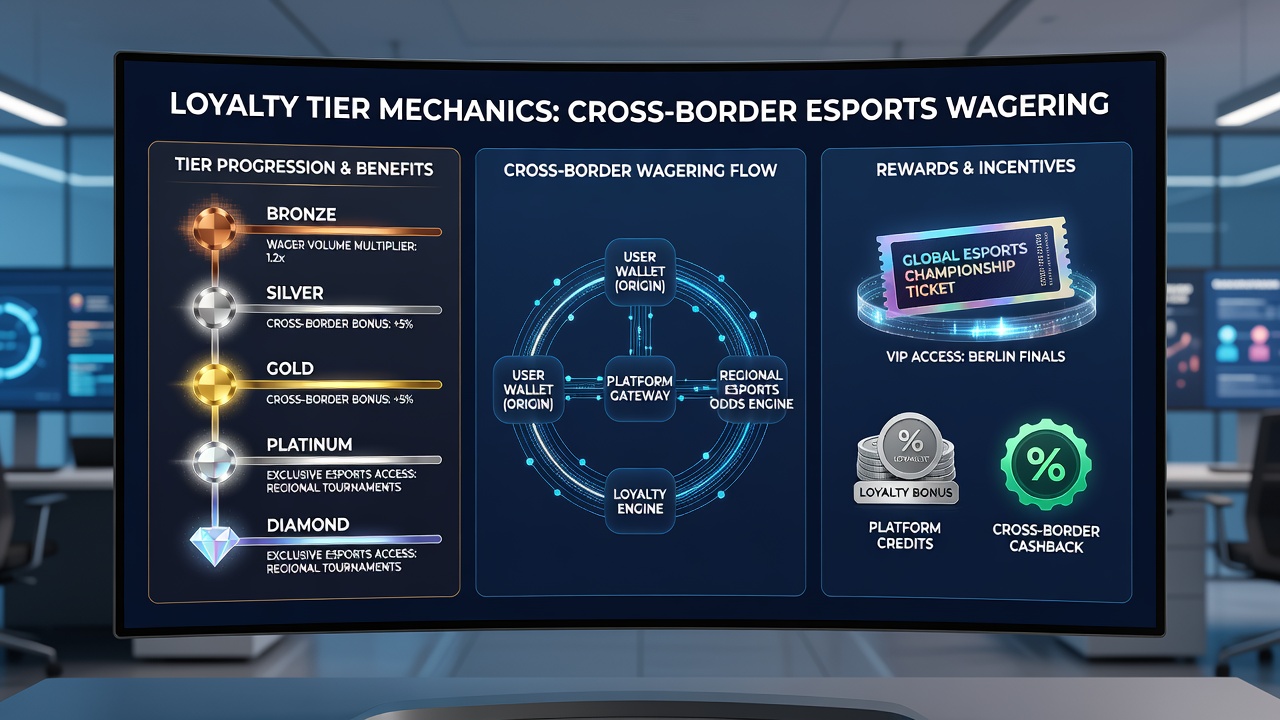
Entry tiers typically grant basic cashback rates between one and three percent alongside access to standard withdrawal limits. Mid-level tiers introduce higher cashback ceilings, reduced wagering requirements on promotional credits, and priority customer support channels. Top tiers add personalized account managers, exclusive tournament entry invitations, and enhanced multiplier events during peak esports seasons.
Additional perks include tier-specific merchandise, physical event access passes, and dedicated live-stream overlays that display loyalty status during matches. Data shows redemption rates for non-monetary rewards remain lower than cash equivalents, prompting platforms to refine offerings based on aggregated user behavior analytics collected across regions.
Technical Implementation and Data Handling
Backend systems employ distributed databases that synchronize point balances across servers located in different countries. Encryption protocols protect transaction histories while allowing rapid queries for tier eligibility checks. Integration with third-party analytics providers supplies demographic insights that help operators tailor tier thresholds to regional player bases without violating data protection statutes.
Automated audit trails record every point adjustment, upgrade decision, and reward disbursement. These logs support dispute resolution processes when users contest calculated balances or delayed upgrades. Platforms conduct periodic internal reviews to verify algorithm accuracy against stated terms, particularly after major software updates or regulatory changes take effect.
Seasonal Influences on Tier Activity
Esports calendars drive measurable spikes in tier advancement during June 2026 when multiple international circuits overlap. Platforms respond by activating temporary point boosts on featured titles, which accelerates movement through mid-tier thresholds for active participants. Historical patterns indicate that users who concentrate wagers during these windows achieve higher tier retention rates compared with steady but lower-volume activity spread throughout the year.
Regional events further modulate engagement because local holidays and school schedules alter participation windows in various markets. Operators publish advance calendars listing boosted periods so users can plan deposits and betting volume accordingly while remaining within platform rules governing responsible play limits.
Conclusion
Loyalty tier mechanics in cross-border esports wagering platforms combine algorithmic point tracking with jurisdiction-specific compliance layers to deliver graduated rewards. Users advance through structured levels by meeting volume and frequency criteria that platforms adjust for currency, payment method, and regional regulations. Technical systems maintain synchronized records while seasonal tournament schedules create predictable windows for accelerated progression. These frameworks continue to evolve alongside expanding esports calendars and shifting regulatory landscapes across operating regions.