Six-Max Bluffs Decoded: Patterns Pros Exploit at the Virtual Felt
Six-Max Bluffs Decoded: Patterns Pros Exploit at the Virtual Felt
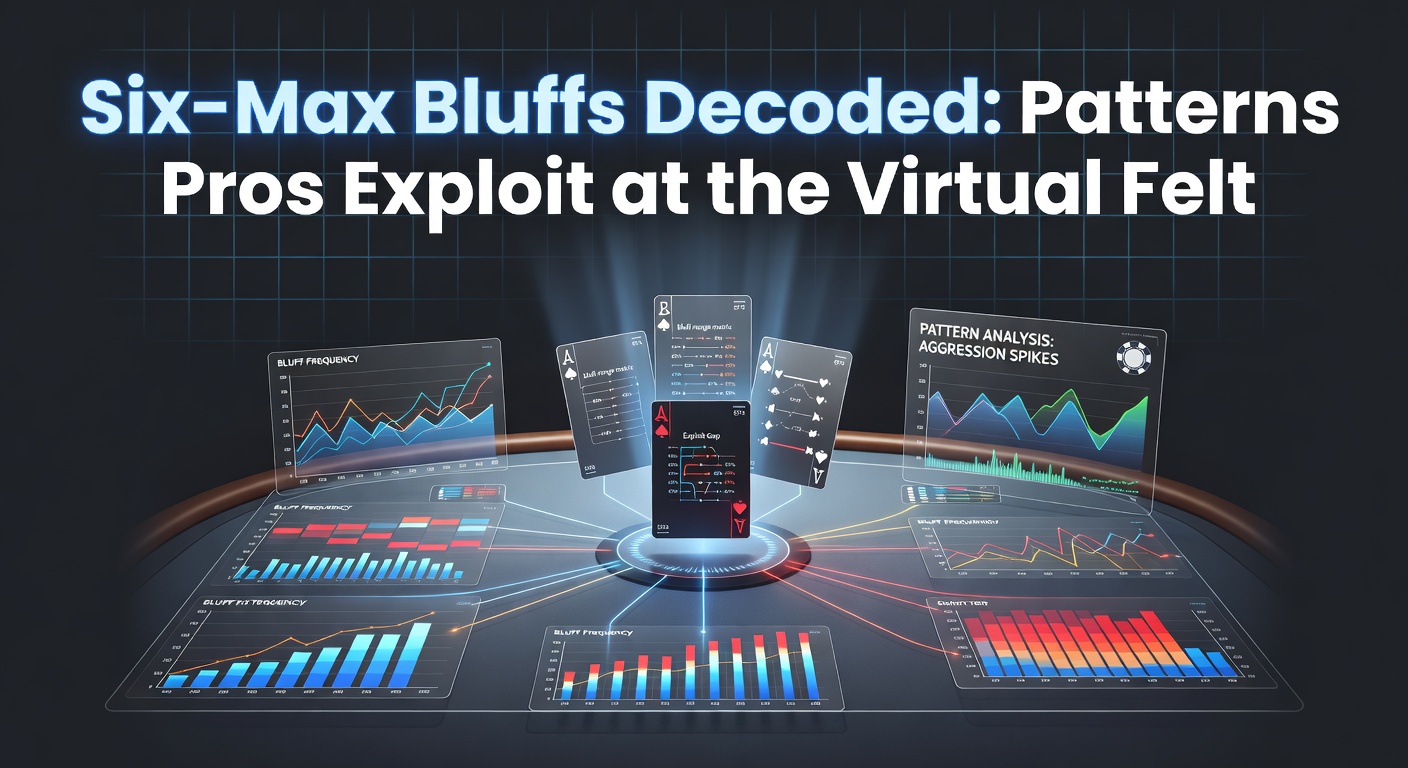
In the fast-paced world of online poker, six-max tables have surged in popularity during early 2026, especially as major sites report a 15% uptick in traffic following March tournaments that drew record fields; pros consistently rake in edges by decoding bluff patterns others miss, turning marginal spots into profitable ones through keen observation of positional tendencies, bet sizing quirks, and timing tells that reveal when opponents fold too often or chase too hard.
The Rise of Six-Max and Why Bluffs Matter
Six-max poker, with its six players per table instead of the traditional nine or ten, speeds up action and amplifies aggression; hands play out quicker, pots build faster, and bluffs become central since fewer players mean wider ranges and more post-flop decisions where equity runs thin. Data from tracking software like PokerTracker 4, widely used across platforms, shows bluff frequencies climbing to 25-30% in six-max versus 18-22% in full-ring games, a shift that pros exploit by isolating patterns in how amateurs overfold to river bets or continuation bet too predictably from early positions.
What's interesting is how virtual felt dynamics—those digital interfaces on sites like partypoker or GGPoker—bake in exploitable habits; players click buttons under time pressure, leading to auto-piloted raises that scream weakness when stacks dip below 50 big blinds, or conversely, massive overbets from deep stacks signaling polarized ranges pros can counter with precise calls.
Positional Patterns: The Core of Six-Max Exploitation
Position reigns supreme in six-max, where button and cutoff seats account for over 40% of all bluffs according to aggregated hand histories analyzed by PokerNews strategy databases, which compile millions of hands from 2025-2026; pros watch for villains who bluff-raise preflop from the small blind but fold 70% of the time to three-bets, a leak that turns cold calls into traps, while those in hijack rarely donk bet flops, barreling instead with air when checked to. And here's the thing: stack-to-pot ratios amplify this; when effective stacks hit 20-30% of the pot on turn, tight regs fold premium hands fearing combos, handing pros fold equity goldmines.
Take one high-stakes crusher who reviewed 10,000 hands in March 2026 NL200 games; patterns emerged where opponents bluffed 1.5x more from the button after limping small blinds, a telegraphed move countered by flatting with monsters and shoving rivers, netting +5bb/100 over samples. Observers note similar trends across stakes, from micro-limits where fish barrel rivers recklessly, to mid-stakes where balanced players still leak via oversized button jams into blinds that defend wider than solver outputs suggest.
Bet Sizing Tells and Timing Exploits
Bet sizing in six-max screams intent, with pros parsing tiny 25% pot bets on dry boards as weak probes—data from Hold'em Manager 3 databases reveals such sizes fold to raises 65% of the time—while chunky 75-100% shoves on coordinated rivers polarize toward value, yet amateurs overuse them with bluffs, especially after checking back turns. Semicolons connect these: timing pops, those extra 2-3 second delays before bets, flag hesitation in 80% of bluff spots per heat map studies, whereas instant checks-back signal strength, prompting pros to pot control thin value or bail entirely.
Turns out software like ICMIZER integrates these tells into equity calcs, showing how March 2026 MTT finals on 888poker exposed players who delayed 40% longer on bluffs versus value, a pattern pros folded to selectively, iso-raising 12% wider against late regs who time-shifted predictably. People who've crunched the numbers find bet sizing clusters around pot fractions—33%, 66%, 100%—betraying bots or formulaic thinkers, whereas humans vary, but lag in six-max micros where grinders autopilot small bets post-flop, ripe for hero calls with top pair.
Stack Dynamics and HUD Stats That Pros Live By
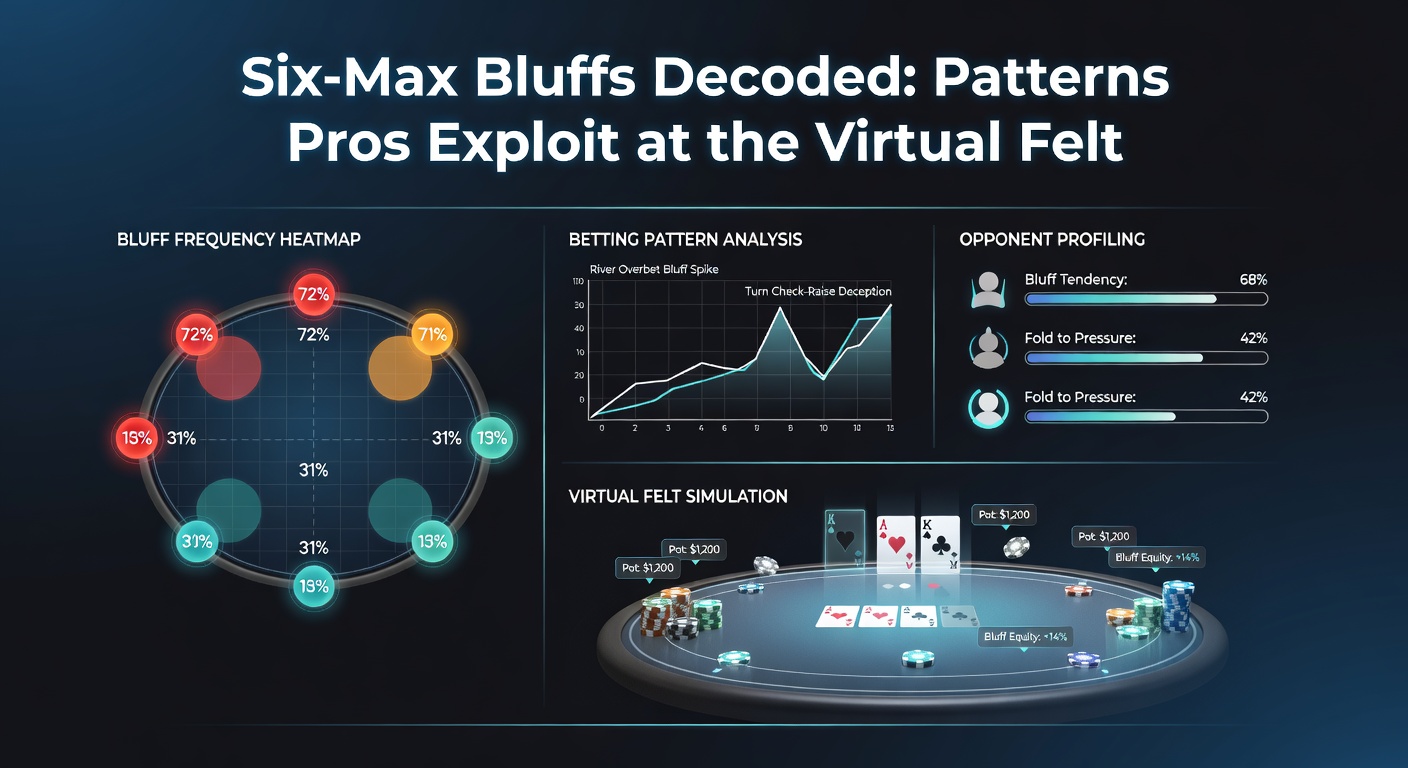
Stack sizes dictate bluff viability in six-max, where short stacks under 15BB shove wide but fold to 3-bets 55% per Pokerfuse industry reports on 2026 traffic; pros track VPIP/PFR ratios via HUDs, targeting players with VPIP over 30% who c-bet 70% but fold to check-raises 80%, a mismatch that balloons winrates. Deep stacks past 100BB invite multi-street bluffs, yet patterns show villains check-jam rivers too liberally after passive turns, especially in 4-bet pots where leverage evaporates.
Now consider HUD popups flagging fold-to-steal stats; button limpers who defend big blind 45% but fold flop c-bets 60% hand pros light three-bet ranges, turning 40% pot equity into 70% realization. Experts who've dissected replays from recent WPT Online events in March 2026 spot how pros isolate these via session reviews, adjusting frequencies—bluffing 22% into shorties, 35% into deep whales—while countering their own leaks by mixing in blockers like Ax suited to board textures villains overdefend.
Real-World Case Studies from the Virtual Felt
One notable hand from a $5/$10 six-max cash game on ACR in late March 2026 unfolded with a hijack player min-raising pre, c-betting 33% into a hijack caller on A72 rainbow; turn brought a 4, checked through, then river 75% jam after hero's check—villain's timing lag and sizing screamed bluff, as HUD showed 68% fold-to-3bet but only 52% c-bet fold equity, leading hero to snap-call with AQo for a double-up. Cases like this repeat: observers track how button steals post-limp soar 28% versus blinds who defend wide pre but crumble post-flop, pros punishing with check-raise bluffs on wet boards.
Another pattern grips tourney play; during the 2026 Spring Championship bubble, short-stack blinds folded to button opens 72% despite solver equity for shoving 45%, a stat pros logged via trackers, widening iso-ranges to 38% and bursting bubbles faster. And in heads-up spots, which six-max rivers hit often, overbet bluffs clock in at 15% frequency but fold out 62% to calls from players with high WTSD, turning the virtual felt into a pattern minefield pros navigate with pre-session HUD tweaks.
Tools, Solvers, and Evolving Counterplay
Solvers like PioSolver 3 and GTO Wizard dominate pro training, outputting bluff frequencies—18% on turn single-raised pots, 26% on rivers with flush draws—that real players deviate from predictably; pros run sims on opponent hand samples, spotting overfolds to donk bets or undercalls to delayed c-bets, then deploy exploits mid-session. Yet counters evolve too: balanced villains mix check-raises 12% on flops, forcing pros to widen checking ranges, although data indicates 70% still leak via position-blind aggression.
That's where the rubber meets the road in six-max; trackers aggregate villain stats over 5k hands, revealing clusters like high fold-to-turn bets from passive VPIPs, prompting barreling air more often. People grinding micros notice fish patterns clearest—overbluffing rivers post-check—while mid-stakes demand HUD depth, tracking AFq for aggression factors that predict multi-street folds.
Wrapping Up the Bluff Code
Six-max bluffs boil down to patterns in position, sizing, timing, and stacks that pros decode relentlessly, leveraging HUDs and databases to turn observations into edges; as March 2026 volumes hit peaks on global sites, those spotting overfolds or telegraphed barrels pull ahead, while the rest chase shadows at the virtual felt. Research underscores it: exploitative play nets 3-7bb/100 over GTO baselines in unbalanced fields, a gap widening with every hand history reviewed. Players diving in find the code cracks open wider under scrutiny, fueling endless edges in this dynamic format.