UK Betting Taxes Fuel Black Market Surge as 2026 World Cup Looms
UK Betting Taxes Fuel Black Market Surge as 2026 World Cup Looms
The Tax Squeeze and Its Immediate Fallout
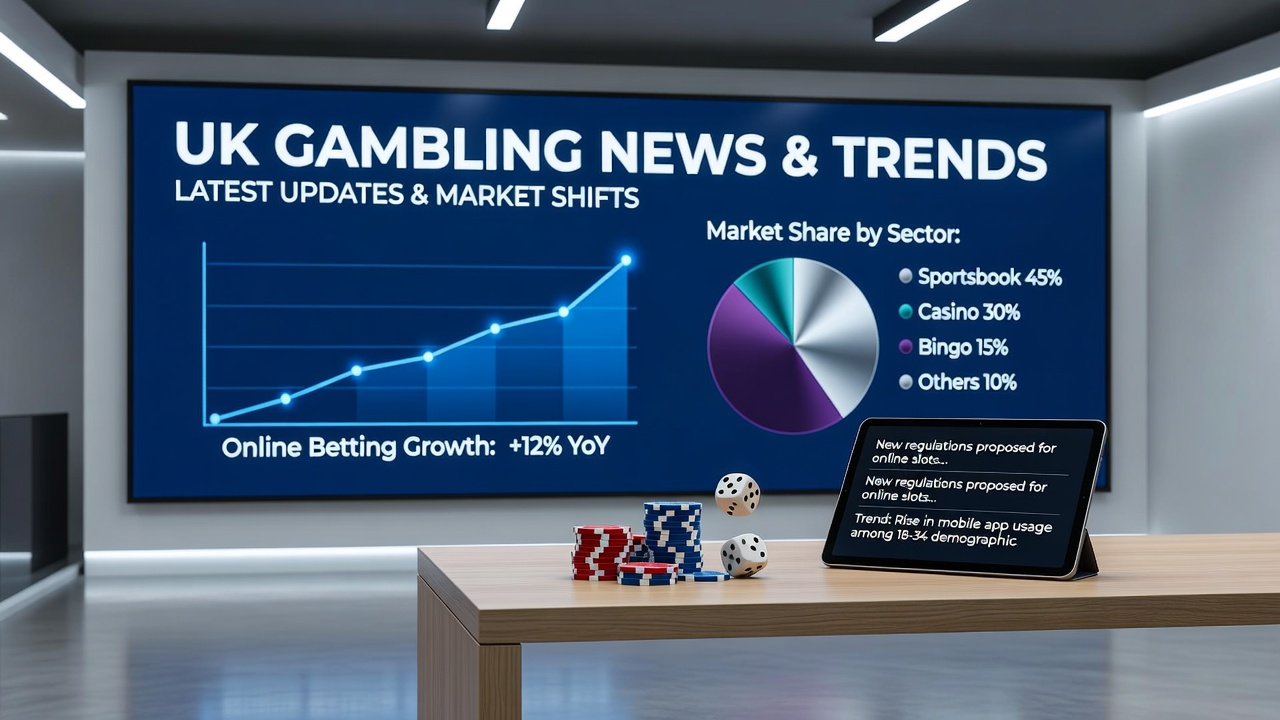
High betting taxes imposed by the UK government have triggered a sharp rise in illegal gambling activities, with observers now estimating that the black market accounts for roughly 10% of the total UK gambling market. Licensed operators, squeezed by these levies, struggle to compete against unlicensed rivals who dodge the financial burdens entirely, and that's created a perfect storm where punters turn to shadowy alternatives for better odds or lower costs. Data from recent analyses reveals this underground shift happened rapidly, building momentum since the tax hikes took effect, while licensed bookmakers watch their customer bases erode bit by bit.
But here's the thing: as April 2026 unfolds, industry watchers point to mounting evidence that unlicensed platforms lure bettors with promises of higher payouts, free from the government's cut, and that's not just anecdotal; figures confirm the illegal sector's slice has ballooned to that 10% mark. Take reports from The Telegraph, which detail how these taxes, meant to generate revenue and curb harms, instead push activity offshore or underground, creating vulnerabilities no one anticipated at first glance.
Experts who've tracked gambling flows for years note that licensed firms, hit hardest by the point-of-consumption tax now sitting at 15% for online bets, can't match the pricing flexibility of black market outfits, so customers drift away, chasing value where regulations don't bite. And while the government collects from the legitimate side, the overall pot shrinks as illegal ops siphon off volume, leaving less taxable action in the regulated pool.
World Cup Fever Sets the Stage for Explosive Growth
With the summer 2026 World Cup on the horizon, unlicensed operators gear up to capitalize on the frenzy, experts warn, predicting a surge in black market betting that could dwarf current levels. Football fans, notorious for piling into wagers during major tournaments, will find illicit sites offering boosted odds or exotic markets unavailable through licensed channels, and that's where the rubber meets the road for regulators scrambling to contain the spill. Observers highlight how past events like the 2022 Qatar World Cup saw spikes in irregular betting patterns, but this time around, high taxes amplify the pull toward the shadows.
What's interesting is the timing: as teams qualify and hype builds through spring 2026, shady apps and websites already ramp up marketing in underground forums, promising seamless access without the tax-inflated margins that licensed books must bake into their lines. Research from the H2 Gambling Capital firm, which monitors global markets including Europe, indicates similar tax-driven migrations elsewhere, like in parts of Scandinavia where remote gambling duties pushed activity to low-tax jurisdictions, foreshadowing what's brewing in the UK now.
People who've studied tournament betting cycles know that volumes can triple during World Cups, with casual punters jumping in for the thrill, yet licensed operators face a bind: lower their margins to compete and they bleed profits, or hold firm and lose share to the illicit crowd. That said, the black market's projected expansion isn't hype; estimates peg it at potentially doubling that 10% footprint if unchecked, fueled by the global spectacle drawing billions in wagers worldwide.

Licensed Bookmakers Feel the Competitive Pinch
Licensed bookmakers confront stark disadvantages under the current tax regime, where every wager funnels revenue to the Treasury at rates that unlicensed rivals simply ignore, prompting a scramble for survival tactics that don't always pan out. Firms like those listed on the London Stock Exchange report thinner margins quarter after quarter, as punters migrate to platforms hosted in lax jurisdictions such as Curacao or Malta's fringes, where oversight lags and taxes vanish. Turns out, this isn't isolated; data shows licensed gross gaming yield dipping in key sports segments, correlating directly with the illegal uptick.
Industry observers, drawing from case studies of tax hikes in other markets like Australia's point-of-consumption model introduced years back, observe parallel erosions where black market shares climbed to 5-15% post-reform, much like the UK's trajectory now. Licensed players invest heavily in compliance, customer protections, and anti-money laundering checks, costs that black market ops sidestep entirely, handing them an edge in pricing and promotions that draws in price-sensitive bettors.
And yet, some licensed giants experiment with retention tools—loyalty schemes, enhanced apps, even World Cup-specific boosts—but experts caution these band-aids won't stem the tide if taxes remain punitive. One study from the European Gaming and Betting Association revealed that in high-tax environments, customer churn to illicit sites hits 20% among heavy sports bettors, a pattern playing out vividly as 2026 approaches.
Risks Mount for Consumers and the Broader Economy
Consumer risks escalate as black market gambling proliferates, with unlicensed sites offering scant protections against fraud, addiction support, or fair play guarantees, leaving punters exposed to rigged odds, data theft, and sudden account wipes. Those who've delved into victim reports describe nightmares: lost stakes with no recourse, personal info harvested for scams, even links to organized crime syndicates that launder funds through bets. Regulators elsewhere, such as Australian Communications and Media Authority overseers, document similar perils in their crackdowns on offshore ops, underscoring the universal hazards of unregulated wagering.
Revenue losses sting too; the Treasury forgoes billions in potential taxes as activity flees licensed channels, while sports bodies miss out on integrity fees that fund anti-match-fixing efforts. Observers note that during peak events like the World Cup, illicit flows distort official data, complicating efforts to spot suspicious betting patterns that could signal corruption. It's noteworthy that licensed markets provide verified streams for monitoring, a safeguard black market chaos obliterates.
So, as the tournament nears, warnings from trade groups echo louder: without tax relief or enforcement boosts, the 10% illegal share could swell, dragging consumers into peril and starving public coffers. People familiar with the landscape point to Ireland's pre-tax-hike era, where lighter duties kept more action onshore, hinting at paths forward although UK policymakers tread cautiously amid harm debates.
Expert Warnings and the Path Ahead
Industry observers issue stark alerts about the brewing crisis, emphasizing how high taxes inadvertently bolster criminals while undermining legitimate businesses poised to deliver safe entertainment. Calls grow for balanced reforms—perhaps tiered rates for sports betting or tech-driven enforcement against illicit sites—drawing lessons from Canada's provincial models where varied taxes coexist with strong black market policing. But the reality is, with World Cup buzz accelerating in April 2026, time runs short for adjustments that could reclaim lost ground.
Figures paint a clear picture: licensed operators, already navigating affordability checks and stake caps, now battle existential threats from untaxed shadows, and that's reshaping the UK's gambling map profoundly. Researchers tracking these shifts predict peak pressures come match days, when adoring fans wager impulsively, often blind to the platform's legitimacy.
Conclusion
The interplay of high UK betting taxes and the impending 2026 World Cup spotlights a pivotal tension in regulated gambling, where illegal markets claim a 10% stronghold and threaten further conquests amid tournament hype. Licensed bookmakers endure competitive headwinds that erode their footing, while consumers face amplified dangers from unregulated havens, and revenue streams vital to government and sport dwindle accordingly. Observers stress the urgency for measures that preserve integrity without overtaxing the legitimate sector, ensuring the beautiful game's betting companion remains vibrant, secure, and above board as global eyes turn to the pitches.