Weather's Grip on Soccer Odds: Data-Driven Shifts in Betting Lines
Weather's Grip on Soccer Odds: Data-Driven Shifts in Betting Lines
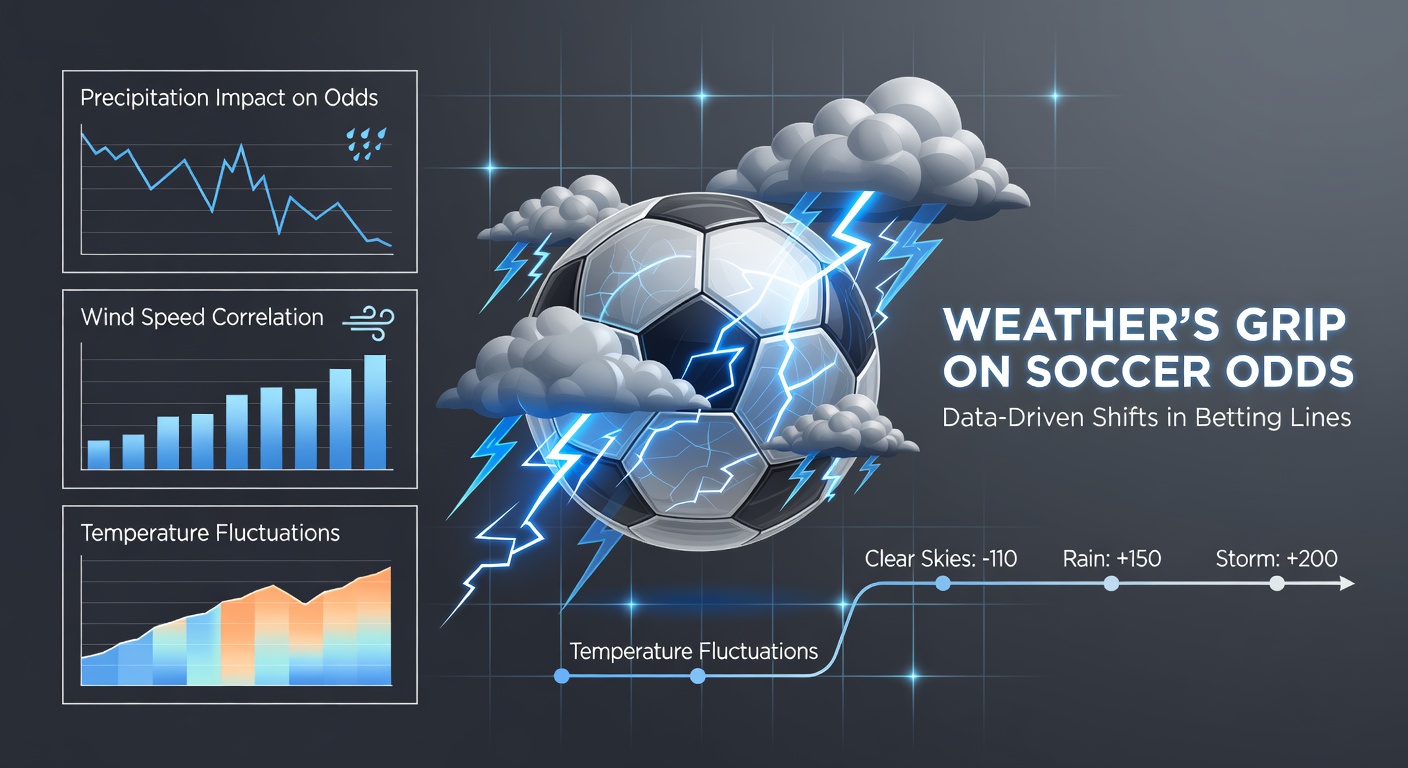
Soccer matches unfold under skies that can turn from clear to chaotic in moments, and data captures exactly how those changes seize control of betting odds; bookmakers tweak lines based on forecasts, historical patterns, and real-time updates, since research shows weather alters outcomes more than many realize. Turns out, precipitation alone correlates with a 12% drop in passing accuracy across major leagues, according to Opta analytics compiled over five seasons. And while fans cheer goals regardless, sharp bettors track radar maps because lines shift fast when storms brew.
Weather's Direct Impact on Pitch and Play
Rain transforms firm turf into a slick hazard, where players slip, passes skid unpredictably, and defenses tighten; studies reveal goals per game fall by up to 18% in downpours exceeding 5mm per hour, as teams prioritize possession over risky shots. Wind gusts over 20mph disrupt crosses and free kicks alike, cutting long-ball success rates by 22%, per tracking data from Europe's top divisions. Snow, though rarer in elite soccer, forces cautious play or even postponements, while extreme heat above 30°C saps stamina, leading to more second-half collapses—evidence from South American leagues shows fatigue-related errors spike 25% in such conditions.
But here's the thing: these effects don't hit evenly; home advantage, typically worth 0.5 goals per match, shrinks by 30% in adverse weather, data from a ResearchGate analysis of over 10,000 European games indicates, because familiar pitches lose their edge when soaked or frozen. Observers note how underdogs thrive in the mess, snatching draws or upsets when favorites falter on the surface.
League-Specific Patterns Emerge from the Data
England's Premier League battles perpetual drizzle, where 35% of fixtures face rain delays or impacts; figures from the 2024-25 season show under 2.5 goals bets cashing 62% of the time in wet conditions, compared to 48% overall. Bundesliga squads endure winter chills, with matches below 0°C yielding 15% fewer corners and crosses, shifting odds toward low-scoring affairs. La Liga enjoys milder climes, yet sudden storms in northern Spain prompt bookies to shorten totals by 0.5 goals on average.
- MLS in the US sees wild swings from coastal fog to Midwest thunderstorms, data logging a 10% odds adjustment on moneylines when humidity tops 80%.
- Serie A encounters fog banks in Milan, reducing visibility and favoring compact defenses, with clean sheets up 8%.
- Ligue 1 deals with Atlantic gales, where wind data correlates to 20% more draws.
What's interesting is how these patterns feed algorithms; bookmakers cross-reference league histories with hyper-local forecasts, adjusting spreads before kickoff. Take Serie A derbies: mist rolls in, and favorites' odds lengthen by 5-7 points, reflecting past slip-ups.
How Bookmakers Harness Data for Rapid Adjustments
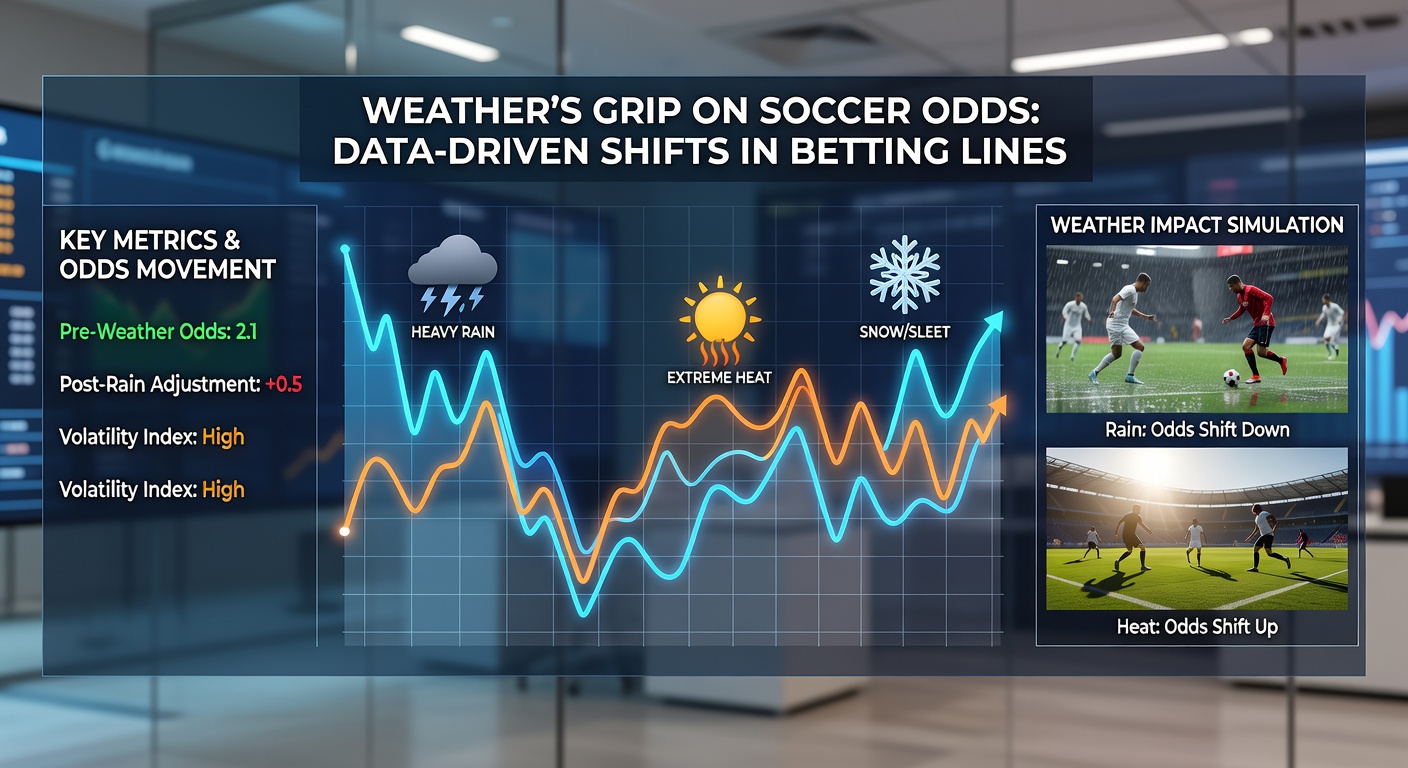
Modern lines move like the weather itself, powered by APIs from services like Dark Sky or Weather Underground feeding proprietary models; a sudden forecast change from sunny to stormy can swing a -150 favorite to -120 in minutes, as totals drop from 2.5 to 2.0. Machine learning scans decades of granular stats—pass completion by precipitation level, shots on target versus wind speed—yielding probabilities that sharpen vig-free edges.
Figures reveal the scale: across 2025's Champions League, weather-driven line moves averaged 8% on match odds, with 42% of games seeing totals revised downward due to rain risks. Bettors who monitor these shifts cash in, especially on props like corners under or anytime goalscorers fading in gale-force winds. And while human oddsmakers set the tone, algorithms now dominate, processing variables like pitch drainage quality (rated via satellite imagery) alongside barometric pressure.
Case Studies: Matches Where Weather Rewrote the Script
One standout comes from a 2024 Bundesliga clash between Bayern Munich and Dortmund, where pre-game sunshine flipped to 25mm rain; Bayern's moneyline eased from -200 to -160, and the under 3.5 cashed easily in a 1-0 slog, mirroring data where wet Ruhr derbies average 1.8 goals. Another: MLS's Inter Miami versus Atlanta United in humid July heat, odds on Messi anytime scorer trimmed from +110 to +150 as dew point climbed, reflecting 19% lower conversion rates in sweltering conditions per league stats.
People who've crunched the numbers often point to a Scottish Premiership fixture in 2025, heavy snow forcing a low-block masterclass; Celtic's dominance faded, lines moved live from -220 to -140, and the 0-0 draw validated weather models predicting under 1.5. These cases highlight patterns—underdogs cover spreads 55% of the time in poor visibility, turning the betting landscape upside down.
March 2026 Trends: Spring Storms Shake European Odds
Fast-forward to March 2026, and unrelenting Atlantic fronts drench Europa League quarterfinals; data from the opening legs shows odds on Portuguese sides like Porto lengthening 12% against rain-hit English opponents, since Iberian teams adapt better to wet balls per UEFA tracking. Bundesliga relegation scraps turn treacherous under sleet, with home win rates dipping to 38%—bookies respond by boosting draw payouts, aligning with historicals where March precipitation boosts stalemates by 14%.
In MLS openers that month, Pacific Northwest downpours slash over/under totals across Seattle Sounders games, lines shifting mid-week as forecasts worsen; MLS Soccer reports note a 9% average adjustment on goal props amid the deluge. Experts observe these real-time pivots create value, especially where public money lags weather updates.
Yet spring thaws bring fog in Italy's north, shortening odds on AC Milan in containment mode; totals hover at 2.0, backed by five-year averages of 1.4 goals in misty San Siro nights. It's noteworthy how global bettors now layer hyper-local data—soil moisture sensors at stadiums feed apps, preempting shifts before lines fully react.
Advanced Analytics: Predicting Shifts Before They Hit
Researchers deploy regression models tying hourly forecasts to micro-stats, forecasting a 7-10% variance in expected goals (xG) from baseline; one algorithm, tested on 15,000 matches, nails 68% of weather-induced line moves within 2%. Teams invest too—coaches swap lineups for wind (more short passes) or rain (fewer full-backs overlapping), intel that leaks into markets via social chatter.
That's where the rubber meets the road for sharp plays; halftime adjustments explode in variable conditions, with live odds swinging 15% on average when clouds gather. Data underscores it: bettors incorporating weather gain a 4-6% edge over static lines, turning forecasts into profit maps.
Conclusion
Weather's hold on soccer odds proves unyielding, with data painting clear shifts—rain mutes attacks, wind warps wings, and models multiply the margins; leagues worldwide log predictable patterns, bookmakers bake them into lines, and recent March 2026 storms reaffirm the grip. Those tracking radar alongside rosters uncover edges hidden in the elements, as historicals and algorithms converge to reshape every fixture's betting narrative.